
- Details
- Category: Blog
A business can have an attractive website, competitive prices, and excellent customer reviews yet still struggle to appear on the first page of Google. This situation is especially common in the United States, where thousands of companies compete for attention across almost every industry.
Search engine optimization requires several elements working together. Technical performance, useful content, internal linking, and external website references all contribute to how a business establishes its presence in organic search.
For companies that want a more structured approach to acquiring relevant external mentions, link building packages usa offer an opportunity to organize campaigns around specific business objectives.
Read more: How Link Building Packages USA Can Support Long-Term Business Growth
- Details
- Category: Blog
Choosing the right flooring can completely transform the atmosphere of a home. Floors influence how a room looks, feels, and functions every single day. While hardwood and traditional tile remain popular choices, many homeowners are discovering an alternative that combines attractive design with everyday practicality: LVP flooring.
Read more: LVP Flooring: A Smart Choice for Beautiful, Durable, and Comfortable Homes
- Details
- Category: Blog
Professional window film installation requires more than technical skills. The quality of the film, the precision of the tools, the preparation of the glass, and the efficiency of the installation process all contribute to the final result. Whether working with automotive tinting, residential windows, or commercial glass, installers need dependable products and equipment to deliver consistent results.
This is where Complete Solutions for Window Film Installers become essential. Instead of sourcing individual products from multiple suppliers, professionals benefit from having access to a comprehensive range of installation materials, specialized tools, and accessories designed specifically for the window film industry.
- Details
- Category: Blog
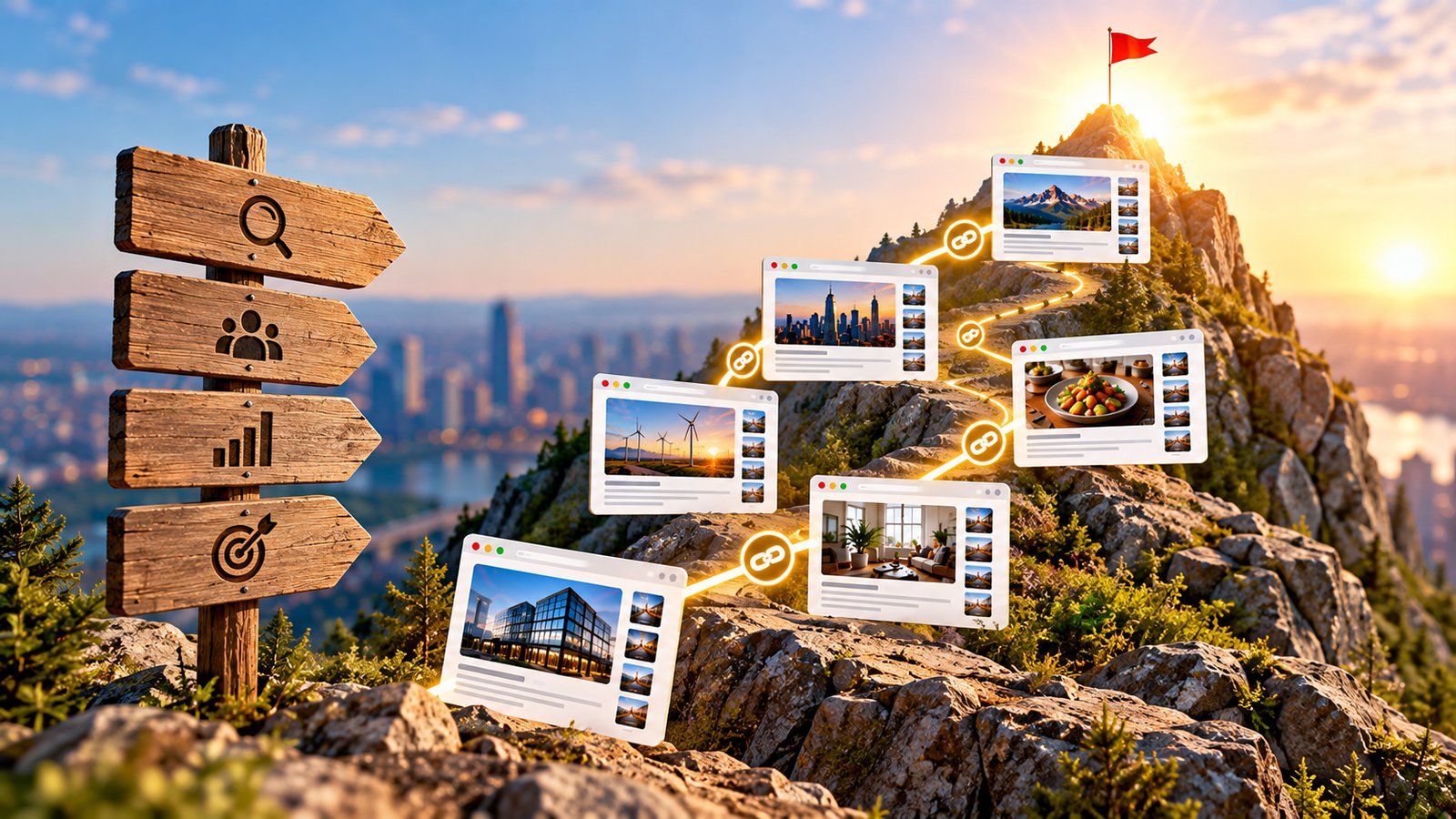
The best backlink sites are not necessarily the websites with the highest domain authority, the largest number of visitors, or the most expensive publishing opportunities. They are websites that connect your business with relevant audiences, publish credible content, and provide a meaningful reason for readers to discover your brand. Understanding this distinction can completely change how businesses approach link building.
Read more: Best Backlink Sites: Why the Right Publishing Opportunities Matter More Than Ever